Aluminium windows are renowned for their versatility, durability, and sleek appearance, making them a popular choice for modern architectural designs. This passage delves into the various design options available for aluminium windows, highlighting their aesthetic appeal, functionality, and innovative features that cater to diverse architectural styles and preferences.
Frame Styles
Aluminium windows offer a variety of frame styles to suit different architectural designs and preferences. Some common frame styles include:
- Slimline Frames: These frames feature narrow sightlines, providing a sleek and modern look that maximizes the glass area for unobstructed views and increased natural light.
- Standard Frames: Standard aluminium window frames offer a balance between durability and aesthetics, providing a timeless look that complements a wide range of architectural styles.
- Heavy-Duty Frames: Heavy-duty aluminium frames are thicker and stronger, suitable for applications where increased durability and security are required, such as in commercial buildings or high-traffic areas.
- Custom Profiles: Custom aluminium profiles can be designed to meet specific design requirements, allowing for unique and innovative window designs that stand out.
Window Types
Aluminium windows are available in various types to suit different functional and aesthetic needs:
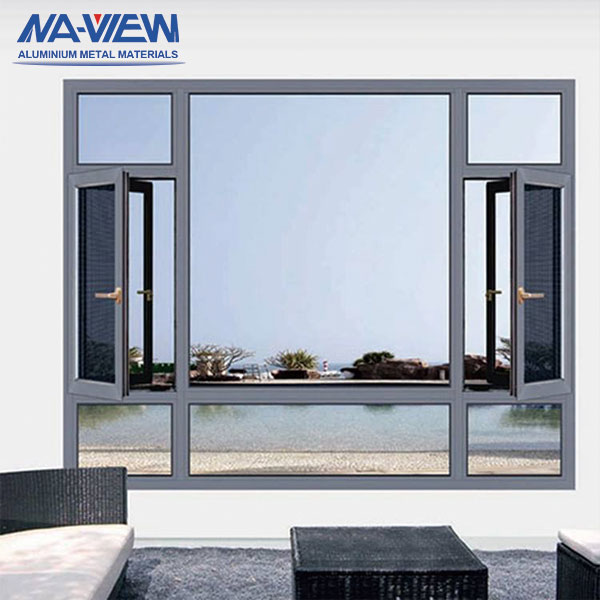
- Casement Windows: Casement windows feature hinges on one side and open outward, providing excellent ventilation and unobstructed views when open.
- Sliding Windows: Sliding windows feature one or more panels that slide horizontally, offering easy operation and space-saving benefits.
- Awning Windows: Awning windows are hinged at the top and open outward from the bottom, providing ventilation while keeping out rain.
- Fixed Windows: Fixed windows are non-opening windows that are used to bring in natural light and provide unobstructed views.
Glazing Options
Aluminium windows can be fitted with various glazing options to enhance energy efficiency, sound insulation, and security:
- Double Glazing: Double glazing consists of two glass panes separated by a layer of air or gas, providing better insulation against heat loss and noise.
- Triple Glazing: Triple glazing offers even higher levels of insulation and soundproofing, making it ideal for buildings in noisy or extreme climate conditions.
- Low-E Coating: Low-emissivity (Low-E) coating is a thin, transparent coating applied to the glass surface to reduce heat transfer and improve energy efficiency.
- Laminated Glass: Laminated glass consists of two or more glass panes bonded together with a layer of plastic, providing enhanced security and protection against breakage.
Hardware and Accessories
Aluminium windows can be customized with a variety of hardware and accessories to enhance their functionality and aesthetics:
- Handles: Aluminium window handles are available in a range of styles and finishes, allowing for personalization and coordination with other hardware.
- Locks: Security locks can be added to aluminium windows to enhance security and prevent unauthorized access.
- Screens: Insect screens can be installed on aluminium windows to keep out insects while allowing for ventilation.
- Window Films: Decorative or privacy window films can be applied to aluminium windows to add a decorative element or enhance privacy.
Finishes and Colors
Aluminium windows offer a wide range of finishes and colors to suit different design preferences and architectural styles:
- Powder Coating: Aluminium frames can be powder-coated in a variety of colors and finishes, including matte, gloss, and textured finishes.
- Anodizing: Anodizing is a process that creates a durable, corrosion-resistant finish on aluminium frames, available in a range of colors.
- Wood Grain Finishes: Aluminium frames can be finished with a wood grain effect, providing the look of wood with the durability of aluminium.
Innovative Features
Aluminium windows can be equipped with innovative features to enhance their performance and functionality:
- Thermal Break Technology: Thermal break technology is used to create a barrier between the inside and outside of the frame, reducing heat transfer and improving energy efficiency.
- Smart Glass: Smart glass can be used in aluminium windows to control light transmission and heat gain, providing a more comfortable indoor environment.
- Integrated Blinds: Integrated blinds are blinds that are enclosed between the glass panes of a double or triple glazed unit, providing privacy and sun protection without the need for external blinds.
Conclusion
The design options available for aluminium windows are vast and cater to a wide range of architectural styles and functional requirements. Whether you're looking for a sleek and modern design, enhanced energy efficiency, or increased security, aluminium windows offer a variety of options to meet your needs. With their versatility, durability, and aesthetic appeal, aluminium windows continue to be a popular choice for architects, builders, and homeowners alike.